
Pelvic Floor Health After Pregnancy: A Practical Guide
Pelvic floor changes after pregnancy are common but often go unaddressed. Here's what modern, evidence-based pelvic health care can look like.
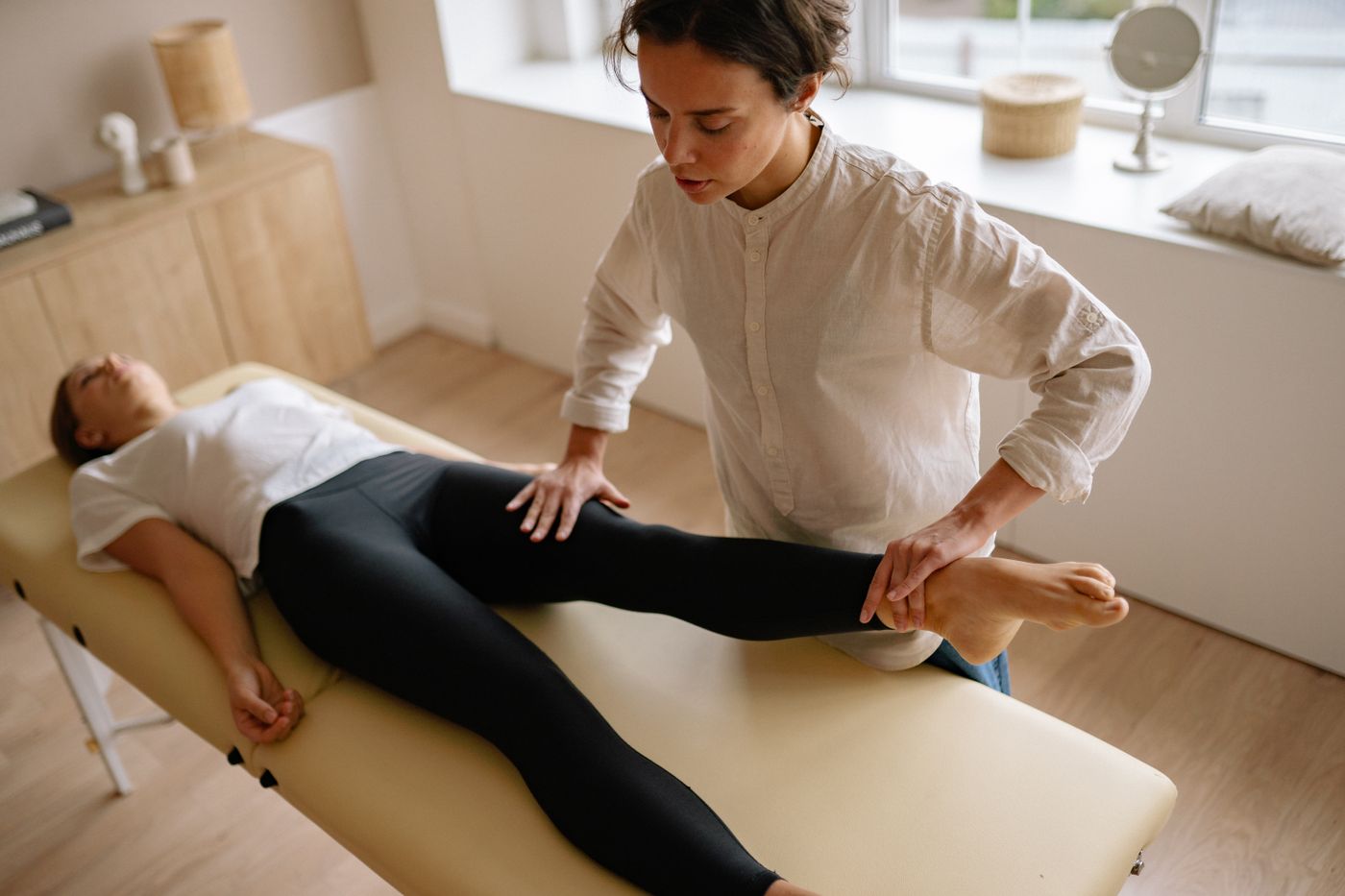
Pelvic floor changes after pregnancy — including reduced muscle tone, occasional leakage, or a general sense that 'something feels different' — are extremely common, yet rarely discussed openly. The good news is that pelvic health is a genuine clinical specialty, not something you're expected to simply manage on your own.
Pelvic floor concerns are common at every stage of life, not just after childbirth — and they're worth raising with a specialist regardless of when they started.
What a Pelvic Health Assessment Involves
A pelvic health consultation typically starts with a conversation about your symptoms, history, and daily impact, followed by a physical assessment where appropriate. From there, your specialist may discuss options such as non-invasive muscle stimulation (including HIFEM-based chair therapy), targeted threads, or bulking agents, depending on what's contributing to your symptoms. Every plan is built around your specific presentation, not a general assumption about what postpartum recovery 'should' look like.
Non-Invasive Options First
Many pelvic health approaches are non-surgical and designed to fit into a normal routine.
A Clinical, Not Cosmetic, Lens
Pelvic health is treated as a functional wellness concern, assessed and managed accordingly.
Ongoing Support
Progress is reviewed over time, with your plan adjusted as your needs change.
When to Consider Booking a Consultation
You don't need to wait for symptoms to become disruptive before seeking an assessment. Mild changes in bladder control, a feeling of reduced support, or simply wanting a professional check-in after childbirth are all reasonable reasons to book a consultation.
- Occasional leakage during exercise, coughing, or sneezing
- A sense of reduced pelvic support or tone
- Discomfort that hasn't improved on its own
- General postpartum wellness check-ins
Pelvic health is an ongoing part of overall wellness — addressing it early, with the right support, tends to make the biggest difference.


