Understanding Regenerative Orthopaedic Care: A General Guide
Joint pain and mobility concerns don't always mean surgery. Here's a general look at how non-surgical orthopaedic care approaches these issues.

Joint pain, sports injuries, and general mobility concerns are often assumed to lead straight to surgery, but that's rarely the first step in modern orthopaedic care. Non-surgical and regenerative approaches, combined with structured rehabilitation, are often explored first — particularly for concerns that are caught early.
Non-surgical orthopaedic care isn't about avoiding surgery at all costs — it's about exploring appropriate options first, guided by a proper assessment.
What an Orthopaedic Assessment Involves
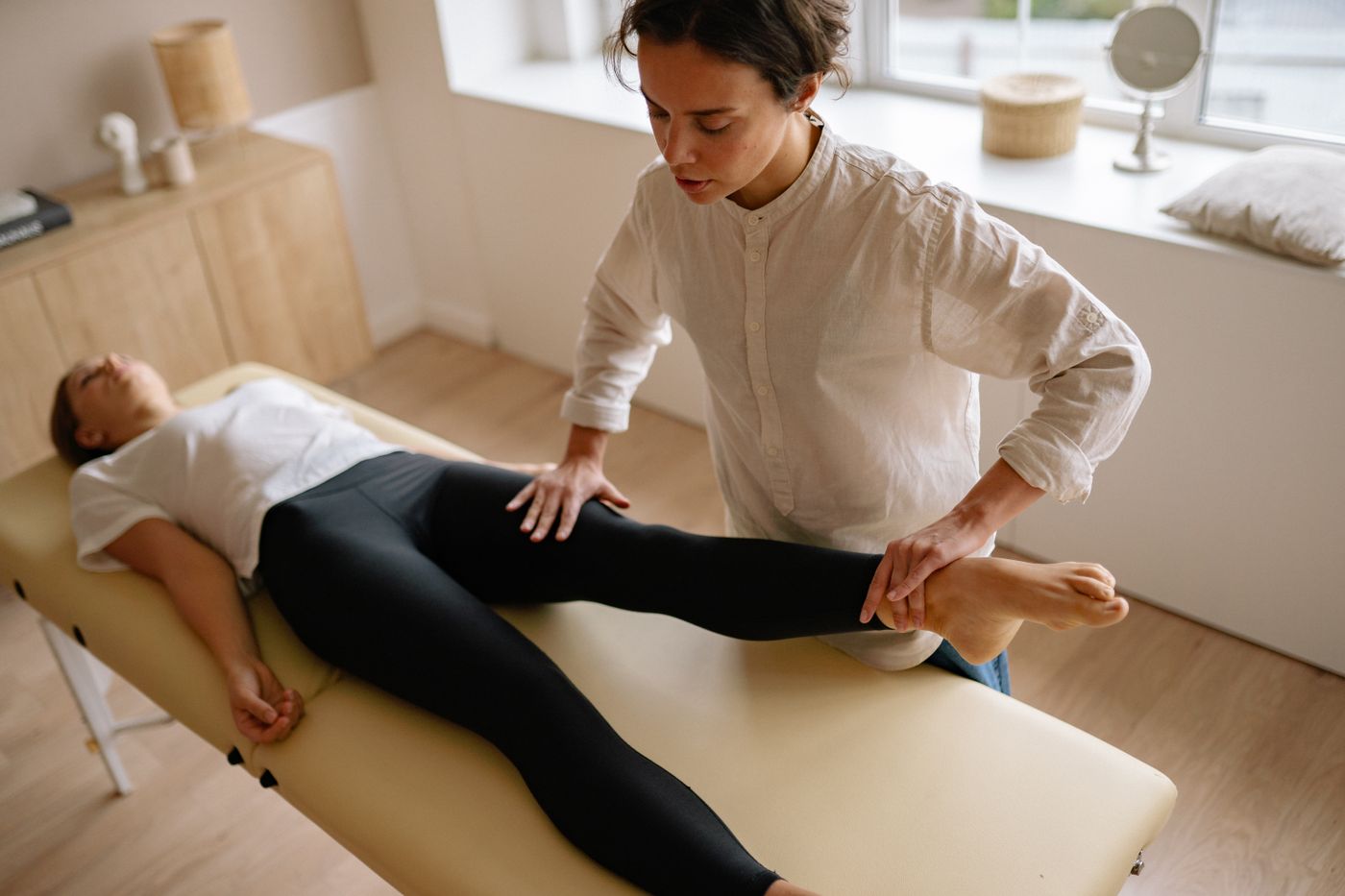
An initial consultation typically involves a detailed history of your symptoms, a physical examination, and a discussion of your daily activity levels and goals. From there, your specialist may recommend a course that could include physiotherapy and rehabilitation, structured pain management, or, for suitable candidates, regenerative joint therapy — always based on your specific presentation rather than a generic protocol.
An Assessment-Led Approach
Recommendations follow a thorough evaluation of your specific concern.
A Range of Non-Surgical Options
From rehabilitation to regenerative therapies, several avenues can be explored before considering surgery.
Support for Everyday Mobility
Care is focused on function and comfort in daily life, not just symptom relief.
When to Consider a Consultation
It's worth booking a consultation for joint or muscle concerns that are affecting your daily activity, recurring sports injuries, or ongoing discomfort that hasn't resolved with rest. Catching concerns earlier generally gives you access to a wider range of non-surgical options.
- Persistent joint discomfort that affects daily movement
- A sports injury that hasn't fully resolved with rest
- Interest in a professional opinion before considering surgery
- General questions about maintaining mobility as you age
Whatever your starting point, an orthopaedic consultation is about understanding your options — not being pushed toward any single treatment path.